
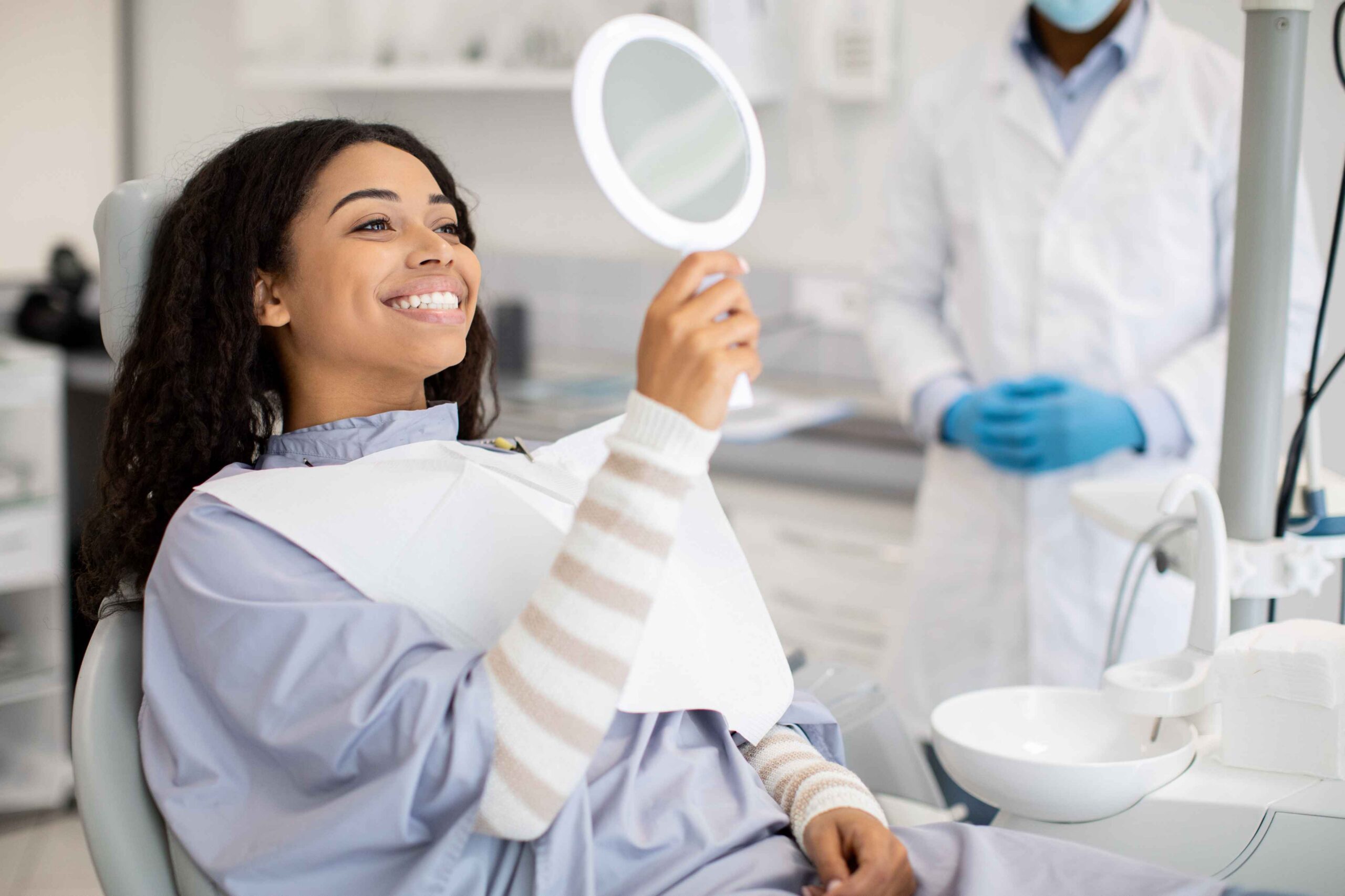
Teeth Whitening Paris, ON may brighten natural tooth enamel affected by certain surface stains from food, drinks, tobacco, or age-related color changes. Patients in Paris should know whitening does not change crowns, fillings, veneers, bonding, implant crowns, or denture teeth. A dental check helps identify cavities, gum irritation, sensitivity, cracks, old restorations, or one dark tooth before whitening is recommended. The right cosmetic option depends on the cause of discoloration and oral health.
A brighter smile can sound simple until the color concern is looked at closely. One tooth may look darker than the others. Front teeth may have stains from coffee or tea. A filling may stand out more than it used to. Some patients in Paris, ON, may want a fresher smile but are unsure whether whitening is the right choice.
Teeth Whitening Paris, ON can be useful when natural enamel is the main concern, but it is not meant to solve every shade issue. Whitening works differently on natural teeth than it does on dental materials. It also should not begin over untreated decay, gum irritation, or unexplained tooth sensitivity. A dental evaluation helps patients understand what whitening may improve, and when another cosmetic or restorative option may fit better.
Start by Finding the Source of the Color Change
Tooth discoloration can come from many sources. Coffee, tea, red wine, tobacco, and deeply colored foods can stain enamel over time. Aging can also make teeth appear more yellow as enamel changes, and the inner tooth shade becomes more noticeable.
Some color changes come from the inside of the tooth. Past trauma, old dental work, certain medications, enamel defects, or root canal treatment may create discoloration that does not respond the same way to whitening.
A whitening consultation helps separate surface stains from deeper colour concerns. This matters because the right treatment depends on why the tooth looks darker in the first place.
Whitening Works on Natural Enamel Only
Professional whitening is designed to brighten natural tooth enamel. It does not lighten porcelain, composite resin, acrylic denture teeth, or implant crowns.
This can surprise patients who have visible fillings, crowns, bonding, veneers, bridges, dentures, or implant restorations. Natural teeth may get lighter while dental materials stay in the same shade. That can create a mismatch if restorations are in the smile area.
Patients considering Teeth Whitening Paris, ON should tell the dentist about all existing dental work before treatment. A shade plan may be needed if restorations are visible.
Why Sensitivity Should Be Checked First
Tooth sensitivity can affect whitening comfort. Sensitivity may come from gum recession, enamel wear, cavities, cracks, exposed roots, recent dental work, or clenching.
Whitening may increase sensitivity for some patients. If a tooth already hurts cold drinks or brushes, the cause should be checked before cosmetic treatment begins.
A dental exam can help identify whether sensitivity is mild and manageable, or a sign of a concern that needs treatment first. Whitening should not be used to cover up pain or unexplained symptoms.
Crowns, Fillings, and Bonding Need Special Planning
Old dental work may affect whitening decisions. A front filling that once matched well may look darker after natural teeth are whitened. A crown may remain the same color while surrounding teeth brighten.
If a patient wants a more even shade, the dentist may suggest whitening first, then replacing visible restorations later if needed. This sequence can help match new dental work to the final tooth color.
At Brantford Family Dental Centre, patients may be guided through shade planning when whitening is being considered alongside restorations. This can help avoid uneven results.
Dentures and Whitening Are Different Conversations
Denture teeth do not whiten like natural enamel. If a denture looks stained or dull, professional cleaning, polishing, adjustment, repair, or replacement may be discussed instead of whitening.
Patients with partial dentures may still have natural teeth that can be whitened, but the denture teeth will remain in their current shade. That means whitening natural teeth could make the denture look less matched.
This is why Dentures Paris, ON and whitening should be discussed together when both natural teeth and denture teeth show in the smile. Shade expectations are easier to manage before treatment begins.
Implant Crowns Will Not Change Color
Implant-supported crowns are made from dental materials that do not respond to whitening gel. If an implant crown is visible when smiling, its shade should be considered before whitening.
Patients planning Dental Implants in Paris, ON may be advised to discuss whitening before the final implant crown is made. Natural teeth can be brightened first when appropriate, then the implant crown shade can be matched.
If the implant crown already exists, whitening may brighten nearby natural teeth while the implant crown stays the same. The dentist can explain whether this may affect the final look.
One Dark Tooth Needs More Than Whitening Advice
A single dark tooth is different from general staining. It may be connected to trauma, nerve changes, old fillings, internal discoloration, or previous root canal treatment.
If a tooth becomes darker after an injury, it should be evaluated even if it does not hurt. The dentist may need to check the nerve, root, surrounding bone, and tooth stability.
Whitening may not be the first step. Internal bleaching, bonding, veneer, crown, or another option may be discussed depending on the diagnosis.
How a Family Dental Visit Can Support Cosmetic Questions
Cosmetic goals often overlap with general oral health. A patient may ask about whitening during a routine checkup, while another may ask after noticing stains, sensitivity, or old dental work.
A Family Dentist Ohsweken, ON may answer similar questions for patients who want cosmetic guidance while also managing prevention, restorations, or missing teeth. The important step is making sure teeth and gums are healthy enough before cosmetic care.
Whitening is safest to discuss after the dentist understands the full mouth, not only the tooth shade.
What Whitening May Improve
Whitening may be suitable for certain color concerns when the teeth and gums are healthy enough.
It may help with:
- Stains from coffee or tea
- Some tobacco-related staining
- Natural enamel yellowing
- Age-related shade changes
- General brightness concerns
- Shade preparation before visible restorations
- Smile freshness before special events
- Whitening may not improve crowns, fillings, bonding, veneers, denture teeth, implant crowns, or color changes from some internal tooth concerns.
What to Expect During a Whitening Consultation
The dentist may begin by asking what shade concern bothers the patient most. Patients should share any sensitivity, past whitening attempts, dental work, trauma, gum concerns, or one tooth that looks darker.
The exam may include teeth, gums, enamel, restorations, bite, and areas of sensitivity. X-rays may be recommended if a dark tooth, deep filling, or possible infection needs evaluation.
If whitening is appropriate, the dentist may explain expected results, sensitivity management, maintenance, and limits. If whitening is not the best option, other cosmetic or restorative choices may be reviewed.
Keeping Results More Stable
Whitening results can fade over time. Coffee, tea, red wine, tobacco, and frequent staining foods may darken teeth again. Good brushing, regular cleanings, and stain-aware habits may help maintain brightness.
Touch-ups may be discussed when appropriate. Patients should avoid overusing whitening products because irritation and sensitivity can occur.
Regular dental visits also help monitor restorations, gums, and enamel, so cosmetic care stays connected to oral health.
Local Patient Review
“I wanted whitening but did not know my front filling would stay the same color. The visit helped me understand what whitening could change and what needed a separate plan.”
A Brighter Smile Should Start with the Right Reason
Whitening works best when the cause of tooth color is understood and oral health is stable. Patients in Paris, ON can visit Brantford Family Dental Centre to discuss shade concerns, sensitivity, existing dental work, and whether whitening is the right cosmetic step.
Frequently Asked Questions
What can Teeth Whitening Paris, ON improve?
Whitening may brighten natural enamel affected by certain stains from food, drinks, tobacco, or age-related color changes.
Will whitening change crowns or fillings?
No, whitening does not change crowns, fillings, veneers, bonding, implant crowns, bridges, or denture teeth.
Should sensitivity be checked before whitening?
Yes, sensitivity may come from cavities, gum recession, cracks, enamel wear, or exposed roots. These should be evaluated before whitening.
Can whitening fix one dark tooth?
Not always. One dark tooth may need testing for trauma, nerve changes, old restorations, or internal discoloration before cosmetic care.
Can dentures be whitened?
Denture teeth do not whiten like natural teeth. Cleaning, polishing, repair, or replacement may be discussed if denture teeth look stained.
Should I whiten before getting an implant crown?
Sometimes whitening is discussed before final shade matching for visible implant crowns. The dentist can guide the timing.
How long do whitening results last?
Results vary based on diet, oral hygiene, tobacco use, and the type of staining. Maintenance habits and touch-ups may affect how long brightness lasts.
Is whitening right for everyone?
No, whitening depends on tooth health, gum condition, sensitivity, restorations, and the cause of discoloration. A dental check is recommended first.