
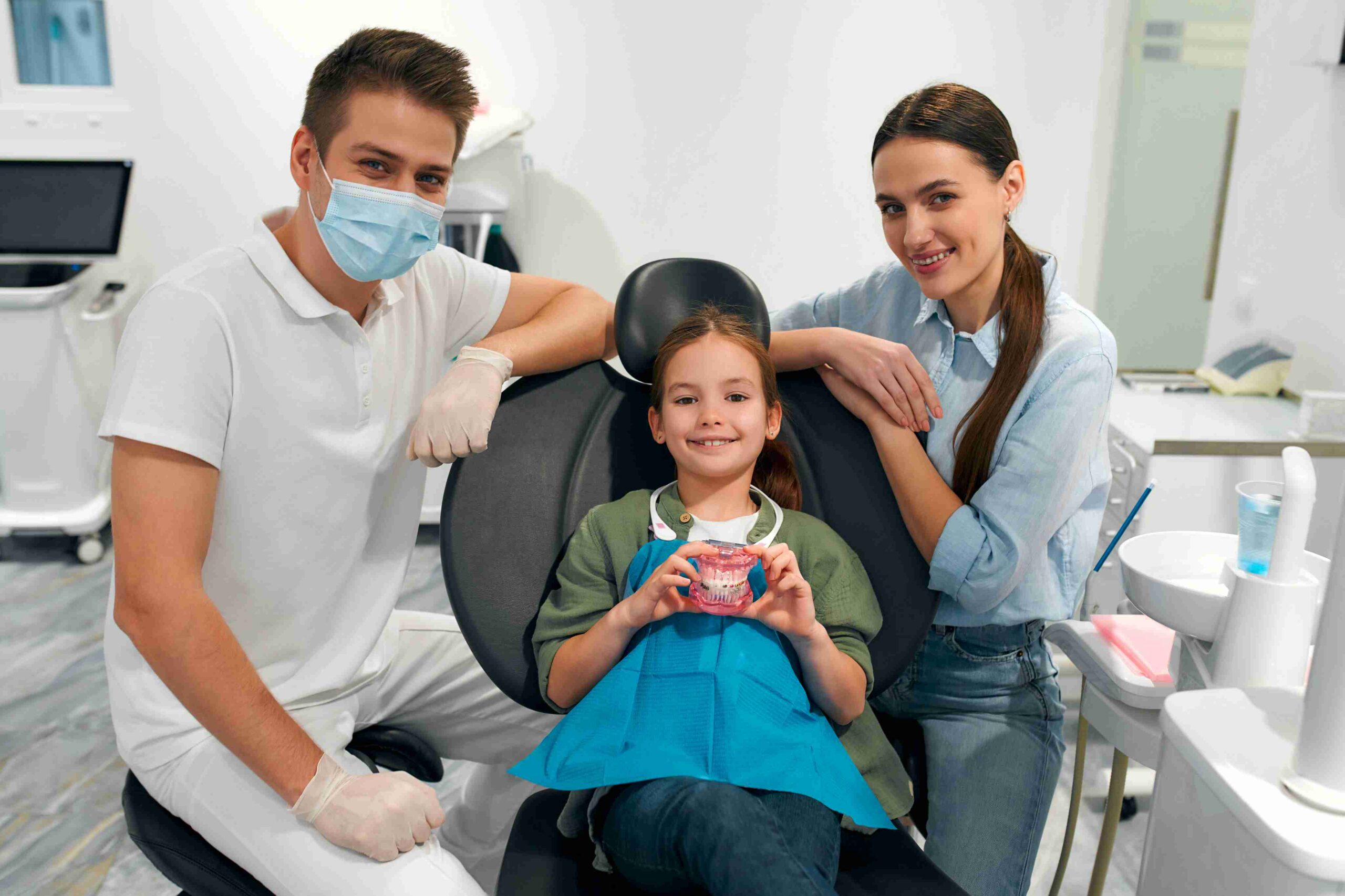
A Family Dentist Ohsweken, ON may help patients with cleaning, exams, tooth pain, gum checks, cavities, dentures, missing tooth concerns, prevention, and long-term dental planning. Ohsweken patients may need care that supports children, adults, and older family members with different needs. A dental visit can explain what is healthy, what should be monitored, whether treatment may be recommended, and when missing tooth replacement or denture care should be discussed.
Family dental needs often overlap. One person may need a cleaning, another may have tooth sensitivity, and someone else may be adjusting to missing teeth or loose denture. A patient in Ohsweken, ON may also want guidance on whether a dental concern is routine, urgent, cosmetic, or related to long-term function.
A Family Dentist Ohsweken, ON may help organize these needs through exams, cleanings, gum checks, tooth pain evaluation, denture discussions, and treatment planning. Each patient’s care should match their age, oral health, comfort level, medical history, and daily habits. A useful visit explains what is happening in the mouth and helps patients understand which step may come first.
Family Dental Care Changes with Age
Children, teens, adults, and older patients often need different kinds of dental guidance. Children may need brushing support and cavity prevention. Teens may need help with sports injuries, snacking habits, or crowded teeth.
Adults may need gum checks, fillings, crowns, or tooth pain evaluation. Older patients may need closer monitoring around bridges, dentures, implants, dry mouth, or gum recession.
A family dental visit should not give every person the same advice. The plan should fit the patient.
Prevention Is More Than a Cleaning
Cleanings remove plaque and tartar that brushing and flossing may be missed. They also help show where home care needs support.
The dentist may check cavities, gum health, bite pressure, old restorations, tooth wear, and oral tissues. These findings can help patients understand what is stable and what may need attention.
A preventive visit can also be a good time to ask about sensitivity, bleeding gums, dry mouth, or changes in chewing.
Tooth Pain Needs a Clear Diagnosis
Tooth pain may come from decay, cracks, gum infection, exposed roots, grinding, bite pressure, or nerve irritation. The same symptoms may have different causes in different patients.
The dentist may ask when the pain starts, what triggers it, and whether it lingers. X-rays or other tests may be recommended when the source is not visible.
A correct diagnosis helps guide care. Treatment may include monitoring, filling, crown, gum treatment, root canal evaluation, extraction, or another option depending on the findings.
Gum Health Supports Long-Term Function
Bleeding gums, swelling, recession, bad breath, or loose teeth may point to gum inflammation or periodontal disease. These concerns should be checked, especially if they are recurring.
Gums help support natural teeth and protect the bone underneath. Gum’s health also affects dentures, bridges, implants, and other restorative plans.
During a visit with Brantford Family Dental Centre, gum findings may be reviewed along with tooth concerns, so patients can understand how the full mouth is connected.
Dentures Can Help with Missing Teeth
Patients asking about Dentures Ohsweken, ON may be missing several teeth or struggling with chewing, speech, or facial support. Dentures may replace some or all teeth and can be designed as complete or partial appliances.
Dentures need proper fit, cleaning, and follow-up. A loose denture may cause sore spots, chewing trouble, or changes in speech.
Denture care should include checking the gums, bites, appliance fits, and any remaining natural teeth.
A Local Dental Visit Can Start the Right Conversation
A patient looking for a Dentist Ohsweken, ON may not know whether they need a cleaning, repair, denture adjustment, gum treatment, or tooth replacement consultation. That is normal.
The first appointment may help sort concerns by priority. Pain, swelling, broken teeth, or infection signs may need faster attention. Preventive and replacement questions can often be planned in stages.
Patients should describe symptoms clearly rather than trying to choose a service on their own.
Paris Patients May Have Related Replacement Questions
Some nearby patients may ask about Dental Implants in Paris, ON when comparing missing tooth options. Implants are different from dentures because they are placed in the jaw and support a restoration from below.
Implants may be suitable for selected patients, but they require review of bone, gums, medical history, bite forces, and cleaning habits. Dentures may be more appropriate in other cases.
The best choice depends on oral health, comfort, function, and maintenance needs.
Access Questions Should Follow the Exam
A person searching for a cdcp dentist Paris, ON may be thinking about how to receive needed dental care. It is still important to begin a dental exam, so oral health needs can be identified clearly.
The dentist can explain whether concerns are preventive, restorative, gum-related, urgent, or related to missing teeth. Coverage and eligibility questions can then be discussed in relation to the recommended care.
Clinical findings should guide the plan before any next steps are chosen.
Cosmetic Questions May Belong in the Same Visit
Some patients may also ask about Teeth Whitening Paris, ON when they are planning future dental work or want a brighter smile. Whitening can affect natural tooth shade but does not change dentures, crowns, bridges, fillings, or implant restorations.
This matters if a patient is also considering dentures or replacement teeth. Artificial teeth are made in a selected shade and do not whiten later.
The dentist can help plan timing, so cosmetic and restorative decisions do not conflict.
What to Expect During a Family Dental Visit
Before the appointment, patients should mention pain, sensitivity, bleeding gums, loose teeth, denture problems, dry mouth, medications, allergies, medical changes, dental anxiety, and changes in chewing.
During the visit, the dentist may check teeth, gums, bites, restorations, oral tissues, and any dentures or missing tooth areas. Cleanings and X-rays may be recommended based on symptoms and risk.
After the visit, patients should understand what is healthy, what needs monitoring, and what care may be recommended. Follow-up may involve prevention, fillings, gum care, denture adjustment, replacement planning, or urgent treatment.
Denture Fit Should Not Be Ignored
The denture that rocks, pinches, or causes of sores should be checked. The mouth can change over time, especially after tooth loss.
Patients should not keep using glue or adhesives to solve every fit problem without an evaluation. A denture may need adjustment, repair, reline, replacement, or a different treatment discussion.
Comfort and function both matter. Dentures should support chewing and speech as well as possible.
How Family Dental Care Helps with Planning
Family dental care may support:
- Cleanings and exams
- Cavity detection
- Gum health checks
- Tooth pain evaluation
- Denture review
- Missing tooth discussions
- Home care coaching
- Care for different ages
- Monitoring old dental work
- Treatment planning in stages
- The main benefit is having a clear starting point for different dental needs.
Local Patient Review
“I had questions about dentures and a sore tooth. The visit helped explain what needed adjustment and what should be checked next.”
Everyday Dental Care Should Lead to Clear Next Steps
Prevention, dentures, tooth pain, gum health, and missing tooth questions often connect. Ohsweken patients can visit Brantford Family Dental Centre to review dental concerns and understand a practical plan for ongoing oral health.
Frequently Asked Questions
What can be discussed during a family dental visit?
Patients can discuss cleanings, tooth pain, gum bleeding, cavities, missing teeth, dentures, sensitivity, anxiety, and home care.
Do children and adults need different dental care?
Yes. Care should match age, oral health, habits, risk, comfort level, and dental history.
Why do gums bleed during brushing?
Bleeding may come from plaque, tartar, brushing technique, medication, gum inflammation, or periodontal disease.
When should tooth pain be checked?
Pain that is severe, worsening, triggered by biting, linked to swelling, or caused by injury should be evaluated promptly.
Can dentures become loose over time?
Yes. The mouth can change after tooth loss, and dentures may need adjustment, repair, reline, or replacement.
How should dentures be cleaned?
Dentures should be cleaned daily as instructed and removed when recommended to help protect the gums.
Can whitening change denture teeth?
No. Whitening affects natural enamel, not denture teeth or other artificial dental materials.
What should I bring to the appointment?
Bring medication details, allergy information, denture concerns, symptom notes, and questions about chewing, pain, or home care.