
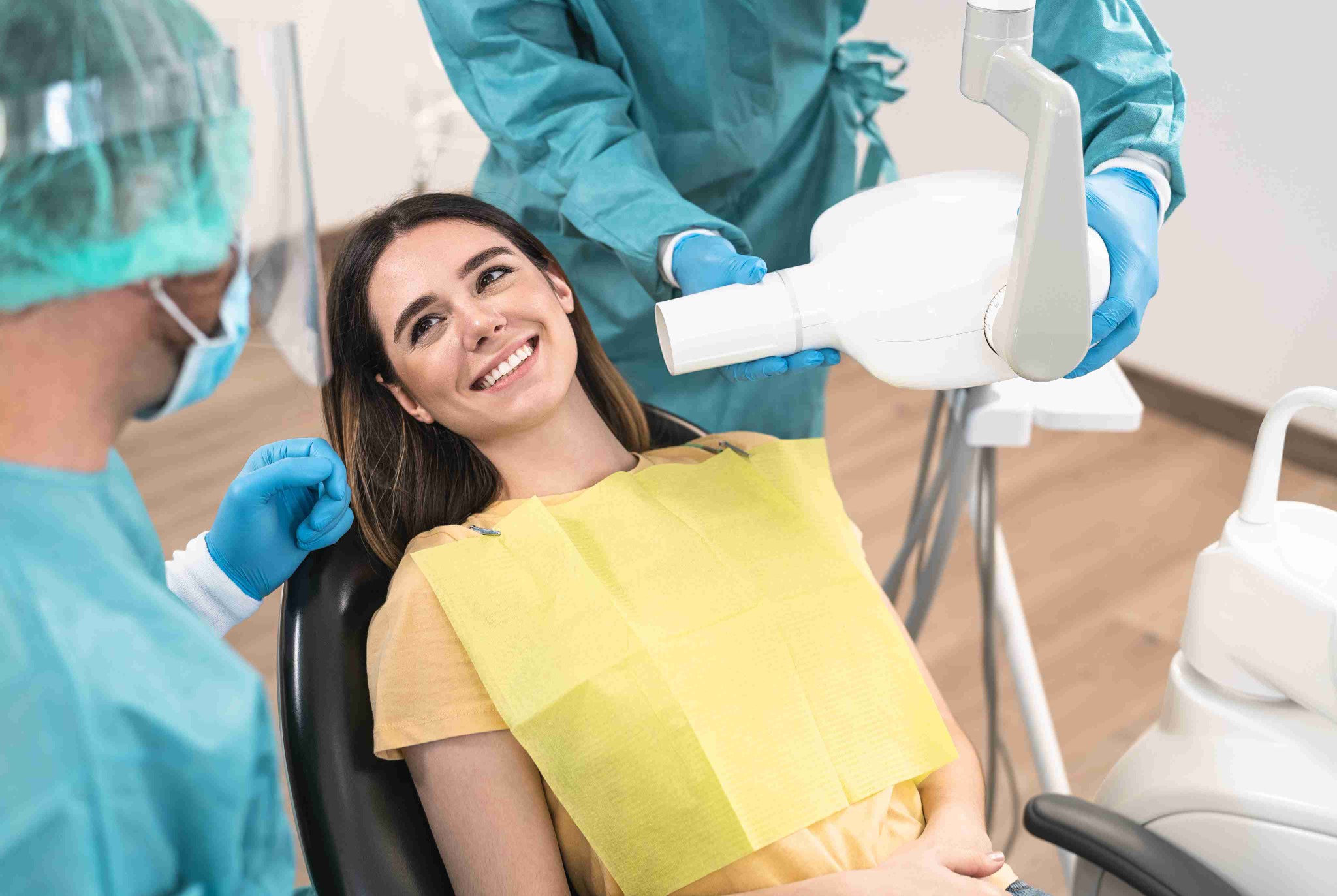
Dental Implants Ohsweken, ON may replace missing teeth by supporting a crown, bridge, or denture, but treatment planning depends on gum health, bone support, medical history, bite forces, oral hygiene, and the number and location of missing teeth. Patients in Ohsweken should have a full dental evaluation before choosing implants. A dentist may compare implants with dentures, bridges, or other replacement options based on suitability and long-term maintenance needs.
A missing tooth can make people think about the final replacement first, but implant care begins long before the new tooth is placed. The dentist must look at the gums, jawbone, bite, medical history, and the health of nearby teeth. In Ohsweken, ON, patients considering implants often need a clear explanation of what must be checked before treatment can be recommended.
Dental Implants Ohsweken, ON may be an option for suitable patients who want to replace one or more missing teeth. Implant treatment is not the same for every mouth. A single missing front tooth, missing molar, or several missing teeth can each require a different plan. A careful consultation helps patients understand whether implants may fit their oral health, what steps may come first, and how other tooth replacement options compare.
Implant Planning Begins with the Foundation
A dental implant needs support from the jawbone and surrounding gum tissue. If the foundation is not healthy or stable, the treatment plan may need to be changed.
The dentist may review the missing tooth area, gum health, bite pressure, oral hygiene, and nearby teeth. Imaging may be recommended to check bone height, width, and important structures near the planned area.
The goal is not only to decide whether an implant can be placed. It is to decide whether the implant-supported restoration can function well and be maintained over time.
The Missing Tooth Location Changes the Plan
Not all missing teeth create the same planning needs. A front tooth may require more attention to gum shape, tooth color, and smile appearance. A back tooth must handle stronger chewing forces.
If several teeth are missing, the dentist may consider whether separate implants, an implant bridge, a removable denture, or an implant-supported denture may be suitable. The number and location of missing teeth shape the design.
This is why an implant consultation should be specific. A general answer cannot replace an exam of the actual tooth space.
Bone Support Can Change After Tooth Loss
After a tooth is lost, the bone in that area can slowly change. Some patients still have enough bone for implant planning, while others may need additional evaluation or preparatory care.
The dentist may use X-rays or other imaging to understand the bone. If there is not enough support, the dentist may discuss whether bone-related treatment, another replacement option, or a different plan is more appropriate.
Patients who have waited a long time to replace a missing tooth should still ask about options. Waiting does not automatically rule out implants, but it can affect planning.
Gum Health and Daily Cleaning Matter
Healthy gums are important before and after implant treatment. Gum disease, plaque buildup, bleeding, swelling, or bone loss may affect whether implants are suitable.
Implants cannot get cavities, but the tissues around them can become inflamed if plaque is not controlled. Daily cleaning and regular dental visits are necessary for long-term maintenance.
A Family Dentist Ohsweken, ON may help patients manage gum health, preventive care, and restorative planning before implants are considered. Implant success depends partly on what happens before treatment begins.
Medical History Can Affect Suitability
Implant treatment involves healing. Medical conditions and medications can influence how the body responds. Patients should share health history clearly during consultation.
Important details may include diabetes, smoking, blood thinners, osteoporosis medications, immune conditions, cancer treatment, heart conditions, allergies, and past surgical complications. This does not mean implants are always ruled out, but it may change planning.
A safe plan depends on accurate information. Patients should also mention grinding, clenching, dry mouth, or previous gum treatment.
Bite Forces Need to Be Managed
Chewing pressure affects implant design. A replacement tooth must fit how the upper and lower teeth meet. If a patient grinds or clenches, the restoration may face extra force.
The dentist may check tooth wear, jaw muscle tenderness, bite contacts, and existing restorations. Bite protection may be discussed when force is a concern.
An implant should not be planned as an isolated tooth. It must work with the full bite to support comfort and function.
How Implants Compare with Dentures
Patients often compare implants with dentures. Both can replace missing teeth, but they work differently.
Dentures Ohsweken, ON are usually removable and may replace several or all missing teeth. Implants are placed in the jaw and may support a crown, bridge, or denture. Some patients may choose traditional dentures, while others may be candidates for implant-supported options.
The decision depends on bone support, gum health, medical history, comfort preferences, number of missing teeth, and maintenance expectations. A dentist should explain the tradeoffs clearly.
What If the Tooth Is Not Missing Yet?
Sometimes patients ask about implants because a tooth is badly damaged, loose, painful, or broken. Before replacement is planned, the dentist may check whether the tooth can be saved.
A tooth may be restorable with a crown, root canal treatment, periodontal care, or another option if enough support remains. If it cannot be restored predictably, removal and replacement planning may be discussed.
At Brantford Family Dental Centre, patients may review whether the priority is saving the existing tooth or preparing for replacement. That distinction helps avoid rushing into the wrong treatment path.
Ohsweken and Paris Implant Planning Share Core Questions
Patients researching Dental Implants in Paris, ON may notice many of the same steps involved in Ohsweken implant planning. Gum health, bone support, bite, medical history, and maintenance are always part of the discussion.
The difference is the individual’s mouth. One patient may need a single implant crown. Another may need several missing teeth replaced. Another may need denture stability improved.
A consultation should turn these general treatment ideas into a plan based on the patient’s actual oral health.
What the Implant Process May Involve
Implant treatment often happens in stages. The first stage is evaluation and planning. If implant treatment is suitable, placement may be scheduled. Healing time is usually needed before the final restoration is attached.
Some patients may need treatment before implant placement, such as gum care, extraction, decay treatment, or bone-related planning. The timeline varies depending on the patient’s health and treatment needs.
After the final restoration is placed, regular maintenance continues. The dentist monitors the implant, gums, bites, and surrounding teeth.
Possible Benefits of Implants for Suitable Patients
Implants may support several tooth replacement goals.
They may help with:
- Replacing missing teeth
- Supporting chewing function
- Filling visible gaps
- Helping stabilize bite balance
- Supporting a crown, bridge, or denture
- Reducing reliance on some neighboring teeth
- Improving comfort with selected replacements
- Supporting long-term restorative planning
- Restoring a more complete smile
- Benefits depend on suitability, treatment design, healing, and ongoing care.
What to Expect During an Implant Consultation
The dentist may ask about missing teeth, past extractions, symptoms, medical history, medications, smoking, diabetes, gum disease, grinding, and treatment goals. Patients should share any concerns about surgery, healing, or dental anxiety.
The exam may include teeth, gums, bites, oral tissues, existing restorations, and the missing tooth space. Imaging may be recommended to check bone and surrounding structures.
Patients should leave with a clearer understanding of whether implants may be suitable, what steps may be needed first, and how implants compare with dentures or other options.
Local Patient Review
“I wanted to know if implants were possible, but the appointment helped me understand why my gums, bone, and bite had to be reviewed before deciding.”
Tooth Replacement Should Be Planned Before It Is Chosen
Implants can be a strong option for suitable patients, but the decision should begin with a careful look at the full mouth. In Ohsweken, ON, Brantford Family Dental Centre can assess missing teeth, gum health, bone support, and replacement options so patients can understand whether implant treatment may fit their long-term care.
Frequently Asked Questions
What are Dental Implants Ohsweken, ON used for?
Dental implants may support a crown, bridge, or denture to replace one or more missing teeth after a dental evaluation.
Why is bone support important for implants?
The implant needs enough bone for support. Imaging may help the dentist assess whether the area is suitable for treatment.
Can gum disease affect implant planning?
Yes, active gum disease may need treatment before implants are considered. Healthy gums are important for maintenance.
Are implants better than dentures?
Not always. Implants and dentures serve different needs. Suitability depends on bone support, gum health, medical history, comfort, and goals.
Can implants support dentures?
Yes, implant-supported dentures may be an option for selected patients. The dentist must evaluate bone, gums, bites, and health history first.
How long does implant treatment take?
Timing varies based on healing, tooth location, bone support, and whether other treatment is needed before placement or restoration.
Do implants need special cleaning?
Implants need daily cleaning and regular dental visits. The gums and bones around the implant must stay healthy.
Can I get an implant right after losing my tooth?
Sometimes, but not always. Timing depends on infection, bone support, gum health, tooth location, and the dentist’s treatment plan.