
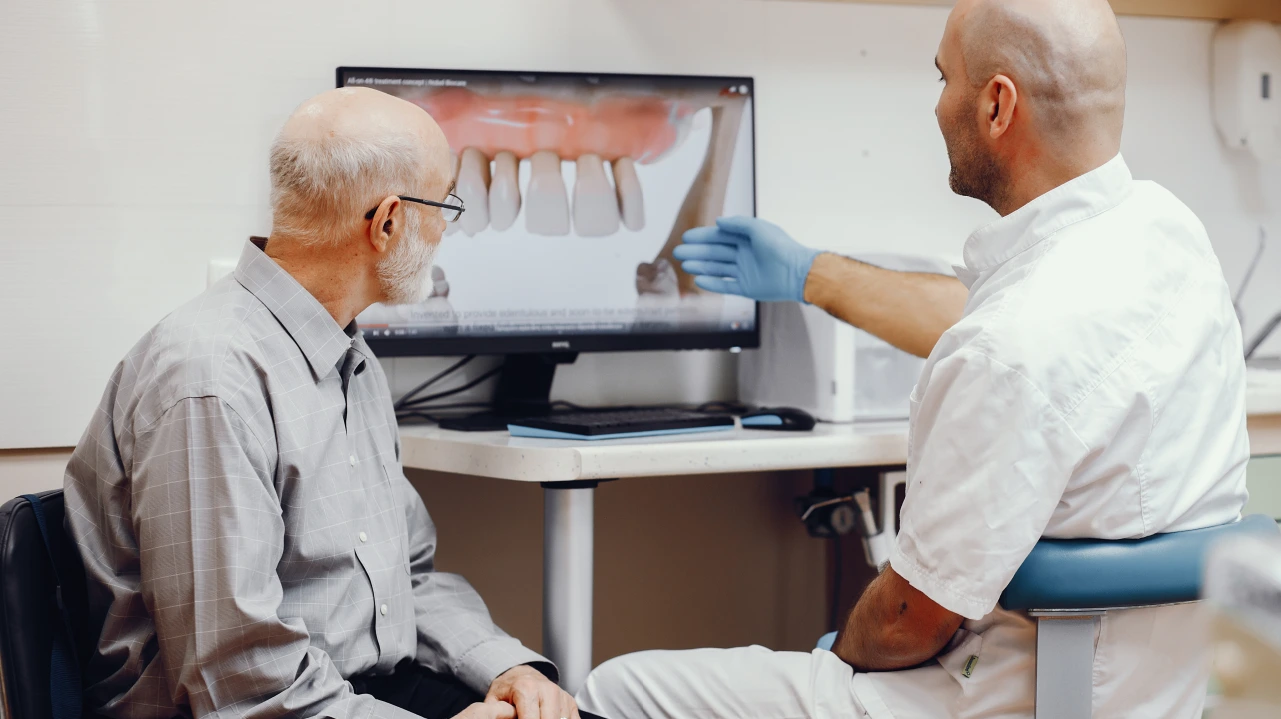
A gap that has been there for years can start to feel like part of the smile, even as the mouth around it keeps changing. The bone beneath it may thin and nearby teeth may slowly shift, so a long-missing tooth is not quite the same starting point as a recent one. A dental implant after years of tooth loss is often still possible, though it begins with the right groundwork. This blog covers why an assessment comes first, the risks of a long-missing tooth, how preparation may help and what the placement visit involves.
Long-Missing Teeth Need an Implant Assessment First
A tooth root does more than hold a tooth in place. It stimulates the jawbone every time you chew, and when the tooth is gone, that stimulation stops. Over the years, the bone in the gap can thin, which changes how much support is available for an implant.
An implant assessment looks at whether there is enough healthy bone and gum tissue to support an implant, where nearby teeth have moved and how your bite meets. It includes an exam, X-rays and a conversation about your health history. The results show whether an implant can go ahead now or whether preparation should come first, and they shape your treatment plan. Every mouth is different, and a tooth missing for years does not rule out an implant.
Which Risks Come With a Long-Missing Tooth
A gap left open for years can affect more than the look of the smile. Some of these changes can be addressed with an implant, while others may need preparation first, and an implant cannot undo changes that have already happened.
Jawbone Loss
Bone can thin in the area of the missing tooth because it no longer receives the pressure of chewing. An implant replaces the root and can help stimulate the bone again, which supports what remains. Where the bone has already thinned, a bone graft may be considered first.
Shifting Teeth
Neighbouring teeth can lean into the gap, and the tooth above or below can drift into the empty space. An implant fills the gap to help prevent further movement, but teeth that have already shifted may need to be moved back first so the implant has room.
Chewing Difficulty
A missing tooth can lead you to favour one side of the mouth, which adds strain to the other teeth. An implant crown restores a firm chewing surface so the bite load is shared more evenly.
Preparation May Be Needed Before Placing the Implant
Whether preparation is needed depends on the assessment. When the bone is thin, a bone graft rebuilds the area so the implant has a solid base, and the graft needs time to heal before the implant is placed. Teeth that have drifted into the gap may be moved back with clear aligners or other orthodontic treatment, and gum concerns are treated first so the tissue around the implant is healthy.
Some mouths need no preparation at all, and the implant can be placed soon after the assessment. Your dentist explains which steps apply to you and in what order.
The Implant Placement Visit Follows Set Steps
A placement visit follows five steps, and your comfort is planned for throughout.
- Discuss comfort options such as nitrous oxide or oral sedation, and have the area numbed with a local anesthetic.
- Have the site prepared in the gum and jawbone so the implant has a precise place to sit.
- Receive the implant post, which acts as the new tooth root, positioned in the jawbone.
- Allow the area to begin healing, with the site protected as your dentist advises.
- Go home with aftercare instructions and a follow-up plan, then return for the crown once the implant has bonded with the bone.
Get Long-Missing Teeth Restored With Implants at Brantford Family Dental Centre in Brantford, ON
Brantford Family Dental Centre in Brantford, ON offers dental implants to replace missing teeth, including teeth missing for years, along with digital X-rays to check the bone before treatment. Schedule an implant assessment to find out whether an implant can go ahead now and what preparation, if any, you may need.
Frequently Asked Questions
How long does the full implant process take?
Timing depends on preparation, healing and crown fabrication. Without a graft, treatment often spans a few months, and grafting adds healing time. Your dentist can map out a timeline after the assessment.
Can gum changes affect the final implant crown?
Yes. Gum tissue can recede or change shape after long-term tooth loss, which affects how natural the crown looks at the gumline. Gum concerns are addressed first, and Brantford Family Dental Centre offers gum sculpting.
What are the alternatives if an implant is not possible?
A bridge or a partial denture can also replace a missing tooth, and each has its own advantages. Brantford Family Dental Centre offers crowns and bridges and dentures, so your dentist can compare options.
Can I eat normally while the implant heals?
Most people stay on softer foods for the first few days and avoid chewing on the implant site. Your dentist will advise when to return to your usual foods.
How long does a dental implant last?
With good home care and regular checkups, implants can last many years, though the crown may need replacing sooner than the implant post. Daily cleaning and checkups protect the gums around it.